
Pay Phony Product Reviewers First, Then Pay FTC Later
williamrothbard
·
·
3 min read
From Jeremy: I am excited to have William contributing to ShoeMoney.com. William Rothbard was an attorney with the Federal Trade Commission, holding positions as an advertising enforcement attorney, Deputy Assistant Director of the Bureau of Consumer Protection, and Attorney-Advisor to FTC Chairman Michael Pertschuk. Bill has practiced law continuously since 1984, except for a two-year appointment as Counsel to the United States Senate Judiciary Committee, Subcommittee on Antitrust, Monopolies and Business Rights, in 1987-88. Bill writes a excellent blog with the latest news here.
Pay Phony Product Reviewers First, Then Pay FTC Later
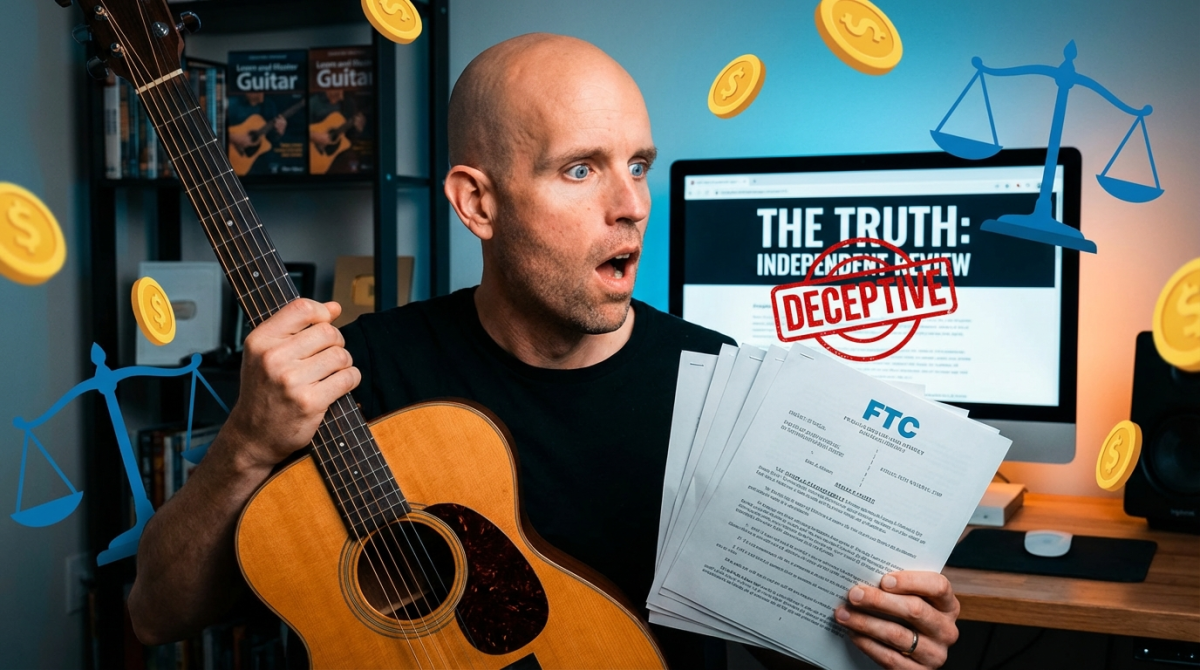
Advertisers now can know with confidence there is a costly toll to pay to the Federal Trade Commission (FTC) for using online product “reviews” by affiliates that pretend to be independent but aren’t. In a March 2011 settlement in In re Legacy Learning Systems Inc., the FTC – for the first time – imposed financial penalties on an alleged violator of provisions of its Revised Endorsement Guides that were added in 2009 to address testimonial practices in online marketing. It also ordered the institution of a tough affiliate monitoring and disciplinary program that’s a precedent for the type of compliance measures the FTC expects online marketers to take to ensure product reviews are for real and don’t mislead consumers. Legacy Learning Systems sold a home guitar instruction program through “Review Ad” affiliates it recruited and paid to promote its courses through endorsements in articles, blog posts and other online editorial material. The FTC claimed the reviews violated the Endorsement Guides because they falsely posed as the opinions of ordinary consumers or “independent” reviewers and did not disclose at all, or clearly enough, that affiliates made money on sales. As an example, one review said: “Read my Independent Review and Discover the Truth of Learn & Master Guitar Now.” Another said it was “The Independent Reviews Site…Learn and Master Guitar emerged from our test as the King of ‘learn guitar at home’ courses.” The FTC also alleged that Legacy Learning Systems failed to enforce affiliate contracts that required them to comply with FTC disclosure guidelines. To settle, Legacy Learning Systems agreed to pay $250,000 and implement a rigorous affiliate compliance monitoring and zero-tolerance disciplinary system requiring it to:- Monitor and submit monthly reports to the FTC about its top 50 money-making affiliates and ensure they are disclosing they’re paid for sales and are not misrepresenting themselves as independent users or ordinary consumers
- Monitor and submit monthly reports on a random sampling of another 50 affiliates to ensure they also disclose the financial connection and don’t misrepresent who they are
- Immediately terminate and stop payment to any non-complying affiliate